
Smartphone battery technology is evolving rapidly, largely because user expectations have changed dramatically over the past decade. Modern devices are no longer used only for calls and messaging but now handle streaming, gaming, navigation, photography, and productivity tasks throughout the day. This constant demand places significant pressure on batteries to deliver longer usage times without increasing device size or weight. As a result, manufacturers are forced to rethink traditional lithium-ion limitations and develop solutions that balance performance, efficiency, and portability. The need for faster charging and longer-lasting power has become a central driver of innovation in the mobile industry.
Advancements in Lithium-Ion Chemistry
Lithium-ion batteries remain the foundation of most smartphones, but significant improvements in their chemistry have increased efficiency and energy density. Engineers are refining electrode materials and electrolyte compositions to store more energy within the same physical space. These changes allow smartphones to last longer on a single charge while maintaining compact designs. Improvements in silicon-based anodes, for example, help increase charge capacity compared to traditional graphite materials. These chemical advancements also contribute to greater stability and reduced degradation over time, helping batteries maintain performance across more charging cycles. The continuous evolution of internal chemistry is one of the key reasons smartphone batteries have improved so quickly.
The Shift Toward Fast Charging Technologies
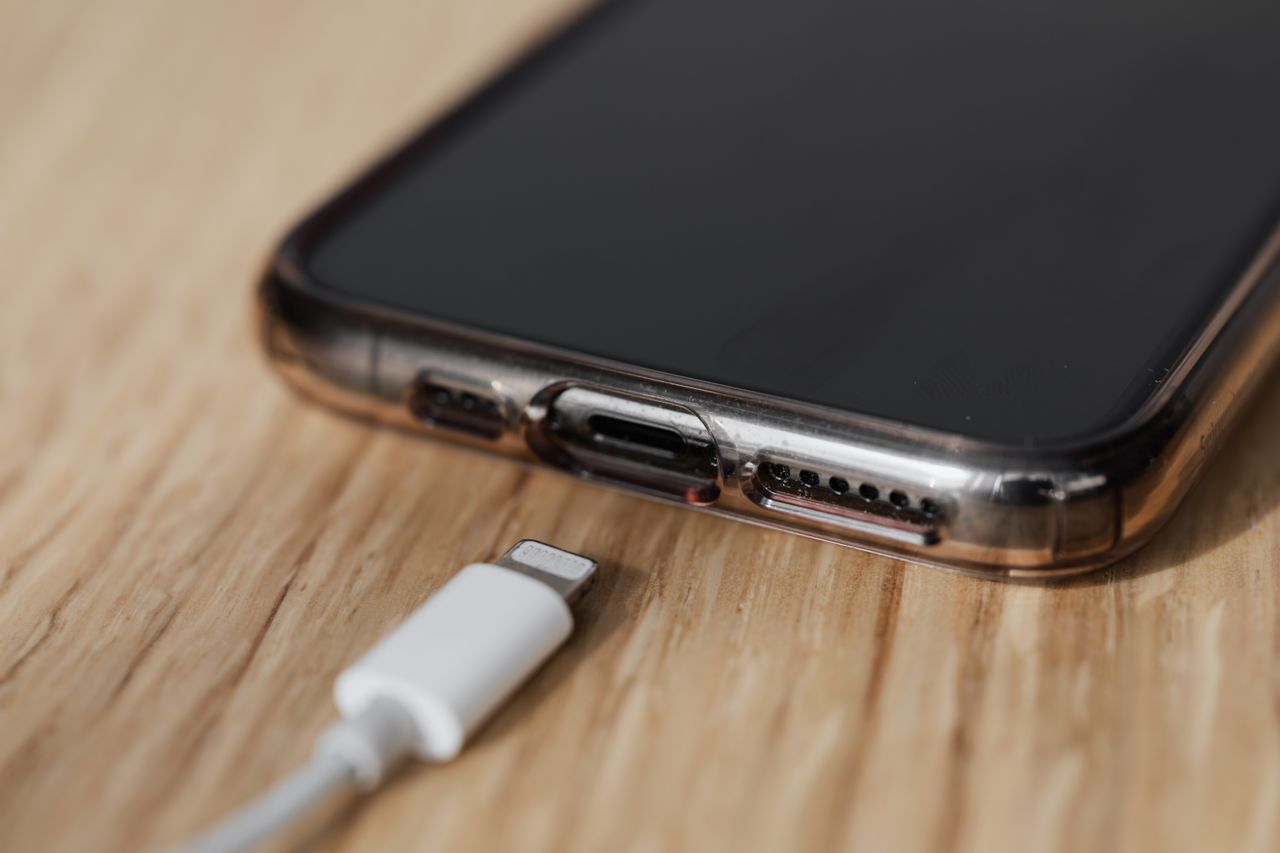
Another major area of evolution is fast charging, which has transformed how users interact with battery limitations. Instead of focusing solely on capacity, manufacturers are improving the speed of energy restoration. This is achieved through higher wattage charging systems, improved thermal management, and smarter power regulation within devices. Fast charging technologies enable users to regain significant battery life quickly, reducing reliance on long charging sessions. These systems rely on precise control of voltage and current to ensure safety while maximizing speed. As charging efficiency improves, the practical experience of battery life becomes more flexible even when overall capacity remains similar.
Software Optimization and Energy Efficiency
Battery performance is not determined solely by hardware; software also plays a major role in managing energy consumption. Modern operating systems are designed to monitor app activity, background processes, and system performance to reduce unnecessary power usage. Intelligent power management systems allocate resources based on user behavior, ensuring that energy is used efficiently throughout the day. Machine learning techniques are increasingly used to predict usage patterns and optimize performance accordingly. This combination of hardware and software coordination allows smartphones to extend battery life without requiring major physical changes to battery size. The integration of software optimization has become a crucial factor in battery evolution.
Smartphone battery technology is advancing at an unprecedented pace, driven by rising user demand, advances in battery chemistry, faster charging systems, and intelligent software optimization. Emerging materials and competitive industry pressures further accelerate this evolution, pushing manufacturers to develop more efficient and powerful solutions. While lithium-ion technology remains central, continuous refinement and experimentation are reshaping what users can expect from mobile power systems. As innovation continues, smartphone batteries are likely to become more efficient, longer-lasting, and more responsive to the growing demands of modern digital life.